



logo
Call Now for Dunnage Air Bag Solutions in Pune Whatsapp Now for Dunnage Air Bag Solutions in Pune contact us Now for Dunnage Air Bag Solutions in Punep

Dunnage Air Bag Manufacturers in Pune

  • Home
  • Dunnage Air Bag Suppliers
  • Home
  • Manufacturers of Dunnage Air Bag

Dunnage Air Bag Suppliers/Dealers

Dunnage Air Bag Manufacturers and Suppliers in Pune

Royal Packaging Industries is a Dunnage Air Bag manufacturer and suppliers exporters, transport operators, warehouses and logistics businesses in Pune. Our focus is on helping businesses keep packed goods stable while they move through different stages of transportation. Dunnage Air Bags are selected according to the available gap, cargo arrangement, handling conditions and transportation method. Call Now for Dunnage Air Bag requirements in Pune.

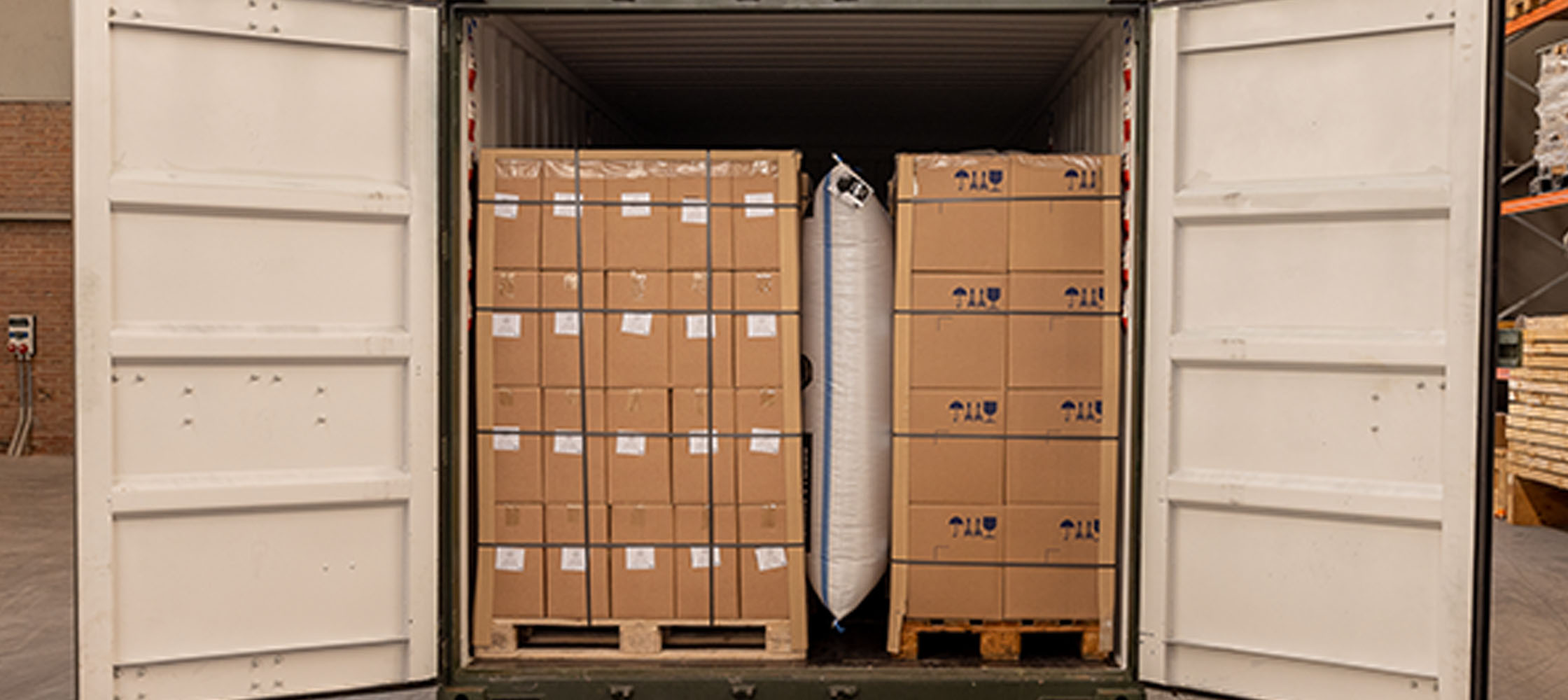
Cargo does not always remain tightly packed after loading. Differences in pallet dimensions, carton sizes, loading patterns and available container space can leave small or large voids between individual loads. These spaces can allow the cargo to move when the vehicle brakes, accelerates, turns or travels over uneven roads. A suitable dunnage air bag can be positioned in the available void and inflated to help keep the load arrangement stable.

The requirement is particularly relevant to Pune because the city has a wide mix of automobile, engineering, manufacturing, pharmaceutical, food, electrical and export-oriented businesses. Finished products and components may travel from factories to warehouses, distribution centres, ports and customers. Protecting the load during this movement is an important part of a practical packaging and dispatch process.

Unlike rigid blocking materials, an inflatable dunnage bag can be stored in a compact form before use. During loading, the bag is placed in the required gap and inflated with suitable equipment. This makes the process convenient for operations where cargo configurations change from one shipment to another.

Dunnage Air Bags are available in different constructions for different cargo conditions. The selection can involve kraft paper construction, woven polypropylene or other suitable outer materials combined with an airtight inner bladder. The right construction depends on the nature of the cargo, void size, expected handling and journey conditions.

Cargo Protection Starts with Load Stability

When several pallets, cartons, drums, bags or industrial components are loaded together, the complete load behaves differently from an individual package. A gap that appears harmless during loading can become a movement path once the vehicle starts travelling. Repeated vibration and sudden changes in speed can gradually disturb the position of the cargo.

Dunnage Air Bags are designed to address this type of void. After the bag is positioned between suitable cargo surfaces and inflated, it applies pressure across the surrounding space. The objective is to reduce unnecessary movement and help maintain the original loading arrangement until the shipment reaches its destination.

For businesses, this approach can also simplify loading operations. Instead of preparing large quantities of rigid blocking material for every shipment, inflatable dunnage products can be selected according to the actual space that needs to be controlled.

Where Dunnage Air Bags Fit Into Transportation

  • Export containers and shipping units
  • Road transportation by trucks and trailers
  • Railway cargo movement
  • Industrial dispatch and distribution
  • Palletized product transportation
  • Warehouse loading and unloading operations
  • Intermodal cargo movement
  • Machinery and engineering component transportation
  • FMCG and packaged goods transportation

The application starts with understanding how the cargo is packed. Pallets, boxes or other units should already be arranged securely before a dunnage bag is introduced. The bag is then placed in an appropriate void where it can provide support without creating an unsuitable pressure point on the goods.

This makes correct selection important. A dunnage bag is not chosen only by looking at its overall size. The gap dimensions, cargo characteristics, load weight, transportation method and expected handling conditions all have a role in determining the suitable solution.

Dunnage Air Bag Options for Different Cargo Requirements

Kraft Dunnage Air Bags

Kraft Dunnage Air Bags use kraft paper as part of their outer construction along with an airtight inner layer. They are commonly considered for domestic transportation and applications where the operating conditions are suitable for paper-based construction. Their folded form also makes storage and handling convenient before installation.

PP Dunnage Air Bags

PP Dunnage Air Bags use polypropylene-based construction and are intended for applications where a stronger woven outer material is required. They can be considered for industrial loads, containerized cargo and transportation conditions where durability is important.

Secure Dunnage Air Bags

Secure Dunnage Air Bags are used to control open spaces between compatible cargo units. Their purpose is to provide inflatable support within the loading arrangement and reduce unwanted movement during transportation.

Container Dunnage Air Bags

Container Dunnage Air Bags are selected for cargo loaded inside containers where voids may occur between pallets, cartons or other packed units. The correct bag size and construction should be selected according to the actual container loading arrangement.

Polywoven Dunnage Air Bags

Polywoven Dunnage Air Bags use woven polypropylene material around an airtight inner component. This construction is suitable for applications where resistance to handling and repeated industrial use is an important consideration. They are commonly considered for heavy or demanding transportation environments.

The different constructions allow businesses to select a dunnage solution according to the shipment rather than using the same product for every load. A domestic truck shipment of packaged goods may have different requirements from an export container carrying engineering components.

Reusable dunnage bags can also be useful for businesses that operate regular shipping routes. When the bag remains in suitable condition after unloading, it can potentially be retained for another compatible application according to the product specification and handling instructions.

Industries in Pune Using Dunnage Air Bags

  • Automobile and auto component manufacturing
  • Engineering and machinery manufacturing
  • Pharmaceutical and healthcare packaging
  • Chemical and industrial material transportation
  • FMCG and consumer goods
  • Food and packaged products
  • Electrical and electronic equipment
  • Textile and related manufacturing
  • Export and import operations
  • Logistics, warehousing and distribution

Each industry can have a different cargo profile. Automobile components may require support between stacked pallets, while packaged consumer products may need void filling inside cartons or container loads. Machinery and engineering goods can have different dimensions and weight distribution. For this reason, dunnage air bag selection should be based on the actual loading condition instead of using a standard size for every shipment.

How to Select a Dunnage Air Bag for Your Shipment

The first step is to identify the empty space that needs to be controlled. Measure the approximate width and height of the void and consider how the cargo is positioned on both sides. This information helps determine whether the selected bag can work effectively within the available space.

The second consideration is the cargo itself. Products with delicate packaging may require careful positioning, while heavy industrial loads may require a stronger construction. The transportation route and handling environment should also be discussed before final selection.

Businesses should also consider how frequently the product will be used. For regular shipping operations, reusable solutions may be considered where the product construction and application permit repeated use. For one-way or specific applications, another construction may be more appropriate.

A supplier should be able to understand these requirements before suggesting a suitable dunnage air bag. Sharing information such as cargo type, approximate load arrangement, gap dimensions and transportation method makes the selection process more practical.

Using Dunnage Air Bags During Loading

Before placing a dunnage bag, the cargo should be properly arranged and the intended void should be identified. The bag is positioned between suitable surfaces so that inflation supports the load rather than placing unnecessary pressure on vulnerable packaging.

Inflation should be carried out using appropriate equipment and according to the product requirements. The objective is controlled support, not simply filling the bag with as much air as possible. Proper positioning and suitable inflation are important parts of achieving consistent results.

After the load has been secured, the overall arrangement should be checked before dispatch. This practical inspection helps identify loose cargo, unsuitable gaps or positioning issues before the vehicle leaves the facility.

Our Valuable Clients

We serve businesses involved in manufacturing, industrial supply, logistics, warehousing, export packaging and transportation across Pune and surrounding industrial areas. Our Dunnage Air Bag solutions are intended for companies that need practical methods for managing cargo voids during dispatch.

Pune's industrial areas include a wide range of production and distribution activities. As shipment volumes change, companies may also encounter different pallet sizes and loading patterns. A flexible cargo protection approach can therefore be useful for day-to-day dispatch operations.

Dunnage Air Bags for Export and Long-Distance Cargo

Export cargo may pass through several handling points before reaching the final destination. A shipment can move from a factory to a local warehouse, then by road to a logistics terminal and finally through another transportation mode. Every additional movement makes the original loading arrangement important.

For containerized shipments, controlling open spaces between compatible cargo units can help maintain the intended arrangement during the journey. The selected dunnage air bag should be appropriate for the cargo, void dimensions and transportation conditions.

Companies preparing regular export shipments can discuss their usual container loading pattern with the supplier. This can help establish a consistent method for selecting and positioning dunnage bags for similar loads.

Why Businesses Use Dunnage Air Bags

  • Helps control empty spaces between suitable cargo units
  • Compact storage before inflation
  • Quick placement during loading operations
  • Available in different material constructions
  • Suitable for several transportation environments
  • Can be considered for reusable applications where appropriate
  • Useful for industrial and export cargo protection
  • Can complement other cargo securing practices

Dunnage Air Bags are one component of a complete cargo securing process. Their suitability depends on the type of cargo, packaging, loading arrangement and transportation conditions. When selected and used correctly, they provide an inflatable method of supporting cargo where suitable voids are present.

For businesses searching for Dunnage Air Bag Manufacturers, Suppliers and Dealers in Pune, discussing the actual application before selection is important. Information about the cargo and loading pattern allows the supplier to understand the requirement instead of recommending a product only from a general category.

Proper Services

Work Steps

Maintain Trends

24/7 Services

Dunnage Air Bag FAQs

Common questions about choosing, positioning and using Dunnage Air Bags for cargo transportation, export shipments and industrial loading.

When should a Dunnage Air Bag be used? +
A Dunnage Air Bag can be considered when there is a suitable empty space between compatible cargo units and the load requires additional support against movement during transportation. The cargo arrangement and application should be checked before selecting the bag.
What information is needed to select a Dunnage Air Bag? +
Useful information includes the approximate size of the void, type and weight of the cargo, packaging arrangement, transportation method and expected handling conditions. These details help in identifying a suitable construction and size.
Can Dunnage Air Bags be used inside export containers? +
Yes, Dunnage Air Bags are used in suitable containerized cargo applications to help control empty spaces between compatible loads. The bag should be selected and positioned according to the cargo arrangement and product specifications.
Are Kraft and Polywoven Dunnage Air Bags the same? +
No. They use different outer constructions. Kraft Dunnage Air Bags incorporate kraft paper layers, while Polywoven Dunnage Air Bags use woven polypropylene material. The appropriate option depends on the intended application and transportation conditions.
Can Dunnage Air Bags replace straps or other securing methods? +
Dunnage Air Bags serve a specific purpose of controlling suitable void spaces and are not automatically a replacement for every cargo securing method. Depending on the load, straps, blocking or other securing practices may also be required.
What cargo can be protected with Dunnage Air Bags? +
Depending on the application, Dunnage Air Bags can be used with palletized goods, cartons, industrial components, machinery-related cargo and other suitably packed products. The cargo arrangement should always be assessed before use.
How should a Dunnage Air Bag be positioned? +
The bag should be placed in an appropriate void between compatible cargo surfaces so that inflation provides controlled support. It should not be positioned where it could damage fragile packaging or create an unsuitable pressure point.
Why contact a Pune supplier for Dunnage Air Bags? +
A Pune-based supplier can discuss the cargo application, loading arrangement, transportation method and local dispatch requirements directly with the business. This can make it easier to select a suitable dunnage solution for regular industrial and logistics operations.